
FitHaven journal
Infrared vs. Traditional Sauna: Which Fits Your Home?
The choice is less about which sauna is better and more about the heat, space and routine you want to come home to. Here is how to compare both options without getting distracted by a feature list.

Infrared and traditional saunas can both earn a place in a home, but they create different experiences. One uses radiant panels to warm the person more directly. The other uses a heater to warm the room, often with stones that allow for a burst of steam. That difference shapes everything from the sensation of a session to where the unit can live and what needs to happen before delivery.
It is easy to reduce the decision to a temperature comparison. That is useful, but incomplete. A better question is: what kind of ritual will you actually protect in an ordinary week? If you want a quick, quiet session after work in a compact indoor room, one path may be more natural. If you picture a hotter room, shared sessions and the familiar rhythm of water on stones, the other may make more sense.
The short answer
An infrared sauna uses radiant panels. The air is usually cooler than in a traditional sauna, while the panels create warmth directly around the person using it. A traditional sauna uses an electric or wood-fired heater to heat the room. With an electric heater and sauna stones, the user can typically add water in the way the model allows, creating a moment of humidity and a more changeable room experience.
Harvia’s comparison of traditional and infrared heat describes the practical distinction clearly: traditional sauna heat comes through the warmed room air, while infrared is radiant heat. Neither approach automatically wins. The right one is the option that makes your space, your preferences and your ownership plan work together.
If you are choosing from FitHaven’s sauna collection, treat this guide as a way to make the product grid smaller. The goal is not to find the most elaborate cabin. It is to identify the choices that genuinely belong in your home.
How the heat feels
The most important difference is the heat itself. In a traditional sauna, the heater raises the temperature of the room. That produces the full-room, enveloping sensation many people associate with a classic sauna. The air, benches, walls and stones all become part of the experience. The room needs time to warm, and how it feels can change as you adjust the heater or use water on the stones according to the manufacturer’s instructions.
Infrared uses panels that emit radiant heat. The cabin air is generally cooler, and the experience can feel more direct and more even from a seated position. Cleveland Clinic’s overview of infrared sauna use notes that infrared cabins generally operate at a lower temperature than traditional saunas. That can appeal to people who find a very hot room overwhelming, but it is not a promise that infrared will suit every person better.
Try to describe the session you want without using product language. Do you want a hot room that feels ceremonial, perhaps with a partner or family member? Or do you want a gentler-feeling, predictable session that is easy to fit between the rest of the day? The answer is often more useful than a comparison chart.
Traditional sauna: the better fit when the room experience matters
A traditional sauna is compelling when the environment is part of the point. People who enjoy a hot, dry room, the visual presence of a heater and stones, and the ability to adjust the character of the session tend to value the traditional format. It is also a natural choice for a dedicated wellness room or a backyard retreat where the sauna is meant to feel like a destination.

Traditional does not mean one thing. There are indoor and outdoor models, different cabin sizes, different heater capacities and different electrical requirements. A compact indoor unit can be a practical project, while a larger or outdoor model may need more site preparation. The common thread is that the room and heater work as a system. Heater capacity, cabin volume, insulation, ventilation and clearances deserve attention before a finish or lighting feature.
For a traditional sauna, start with the product’s installation information. Measure ceiling height, usable floor area, door swing, required clearances and the path the delivery must take. Then review the available electrical supply with a qualified electrician. The design and building guidance from Harvia is a useful reminder that ventilation and installation details are model-specific, not universal rules to improvise.
Infrared sauna: the better fit when daily simplicity matters
An infrared cabin can be a strong choice when the priority is a lower-temperature session and a more contained indoor footprint. Many people like its straightforward ritual: enter, sit, warm up and return to the rest of the day. A carefully chosen infrared model can be especially appealing for a finished basement, bedroom-adjacent wellness room or home gym where a traditional high-heat room does not match the intended use.
That does not make infrared a shortcut around planning. Every model still has a real footprint, weight, electrical specification and delivery path. The cabin needs enough room around it for installation and service, and the electrical requirement belongs in the decision before checkout. Read the manufacturer’s product documentation for the exact model rather than assuming that every infrared cabin uses a standard outlet or requires the same setup.

Use frequency as a reality check. If you imagine a short session most weekdays, an infrared option may align well with that rhythm. If you are mainly drawn to an intense, hot-room ritual on slower evenings or weekends, compare traditional models first. The best answer is not what sounds more convenient in a description. It is what you can picture using when the novelty has passed.
Space and placement: measure the project, not just the cabin
The first measurement is not the product width. It is the complete route and use area. Mark the proposed location, then measure ceiling height, door swing, walking clearance and the route from the delivery point to the final room. Include turns, stairs, gates and any narrow doors. A cabin that technically fits a corner may still make the room feel cramped or prove difficult to deliver.
For an indoor sauna, think about the room as a whole. Is the floor appropriate for the product and easy to keep dry? Is there a sensible route for power? Will the room still work for its other purpose? Is there enough space to enter and leave comfortably? A sauna placed too tightly into a room creates a daily friction that no upgraded control panel can solve.
For an outdoor sauna, add the base, weather exposure, drainage and electrical route to the plan. FitHaven’s Outdoor Oasis collection can help you picture the wider setting, but the specific sauna manual and local professionals should guide the technical decisions. Your goal is a clear project, not a heroic last-minute installation.
Power, warm-up and operating expectations
It is tempting to assume an infrared sauna will always be cheaper to operate or that a traditional sauna will always take too long to warm. Real ownership is more nuanced. The exact answer depends on the model’s power draw, the cabin size, insulation, ambient temperature, session length, local electricity price and how you use the controls.
Instead of comparing broad claims, ask each manufacturer or seller for the data that applies to the model in front of you. What electrical supply does it require? Is it plug-in or hardwired? What does the installation manual say about warm-up and clearances? Does the model include a heater, panels or controls as pictured? What needs to be completed before delivery? Those answers let you compare total project fit, not just a product price.
Traditional installations, particularly larger models, often require a dedicated circuit or hardwired connection. Infrared cabins can also have specific electrical requirements. Share the exact documentation with a qualified electrician before you order. That small step can prevent a purchase from becoming an expensive surprise once the unit is at the house.
Comfort, capacity and the people who will actually use it
Capacity labels can be misleading if you read them as a promise of comfort. A two-person cabin might work beautifully for two people who sit upright for short sessions, while another household may prefer more bench depth or room to stretch. The same principle applies to a traditional sauna with an upper bench and a lower bench. Think about posture, not just headcount.

Write down three ordinary scenarios: a solo weekday session, a shared weekend session and the session you want after a demanding workout or long day. Then compare the interior dimensions, bench arrangement and door placement against those moments. If the sauna is for two people but the door, benches or controls make the second person feel like an afterthought, the capacity number is not helping you decide.
This is also the point to consider sound, privacy and proximity to the rest of the home. A dedicated room with a closing door may matter more than a larger cabin. Conversely, a backyard setting may make a slightly bigger traditional sauna feel more natural for guests. Let your actual household routine lead.
Safety and health claims: keep the purchase grounded
A sauna can be a restorative part of a routine, but it is not a replacement for medical care and it should not be bought on exaggerated health promises. Both traditional and infrared sauna use involve heat and fluid loss. Follow the product instructions, stay hydrated and leave the sauna if you feel unwell. Cleveland Clinic advises extra care and a conversation with a healthcare professional for people with relevant medical conditions, those who are pregnant, people taking certain medications and anyone with concerns about heat exposure.
That practical framing also improves the purchase decision. You do not need to convince yourself that one heat style is a miracle. You only need to determine which is enjoyable, manageable and appropriate for your circumstances. A well-planned sauna is easier to use responsibly than an overbuilt project chosen on vague claims.
A simple decision framework
Choose infrared first if lower-temperature radiant warmth, a compact indoor routine and a simpler-feeling daily session are the priorities. Choose traditional first if the hotter room, heater-stone ritual, adjustable humidity and a dedicated sauna atmosphere are the priorities. Then use space, delivery, electrical requirements and budget to make the final comparison.
- Write down the heat experience you want.
- Measure the final location, clearances and delivery route.
- Check the exact power and installation requirements before ordering.
- Compare interior comfort and normal-use capacity, not only the label.
- Budget for delivery, electrical work, preparation and any professional installation.
- Read the product manual before treating any feature as included or universal.
If the decision is still close, do not rush it. A shorter shortlist is a good result. The remaining models should be the ones that work for your home on paper and in practice.
How FitHaven can help
FitHaven is built for considered equipment purchases, not rushed decisions. Browse the sauna collection after you have a room sketch and your basic priorities. For help comparing available product details, delivery considerations or fit for your space, contact FitHaven’s support team before you order. The earlier those practical questions are answered, the calmer the final choice becomes.
Frequently asked questions
Is an infrared sauna better than a traditional sauna?
Neither is universally better. Infrared is often a practical match for someone who prefers lower-temperature radiant warmth and a simpler indoor setup. A traditional sauna is often the stronger fit for someone who wants a hotter room, heater stones and the option to create steam. The better choice is the one that suits your routine, room and installation plan.
Does an infrared sauna use less electricity than a traditional sauna?
It can, but the answer depends on the exact model, session length, electrical setup, insulation and local energy rate. Compare the manufacturer’s stated power requirements and warm-up expectations for the specific models on your shortlist, rather than relying on a general claim.
Can I put a traditional sauna indoors?
Yes, many traditional saunas are designed for indoor installation. The important work is confirming the manufacturer’s required clearances, ventilation, electrical supply, flooring and delivery route before ordering. A qualified electrician or installer can assess the model-specific requirements for your home.
How hot is an infrared sauna compared with a traditional sauna?
Infrared cabins usually operate at a lower air temperature because their panels provide radiant warmth. Traditional saunas heat the air in the room and generally run hotter. Exact temperatures vary by model, so the product manual is the right reference for a purchase decision.
This article is for general planning information, not medical advice. Follow the instructions for your chosen sauna and discuss sauna use with a qualified healthcare professional when you have health concerns.
Related reading
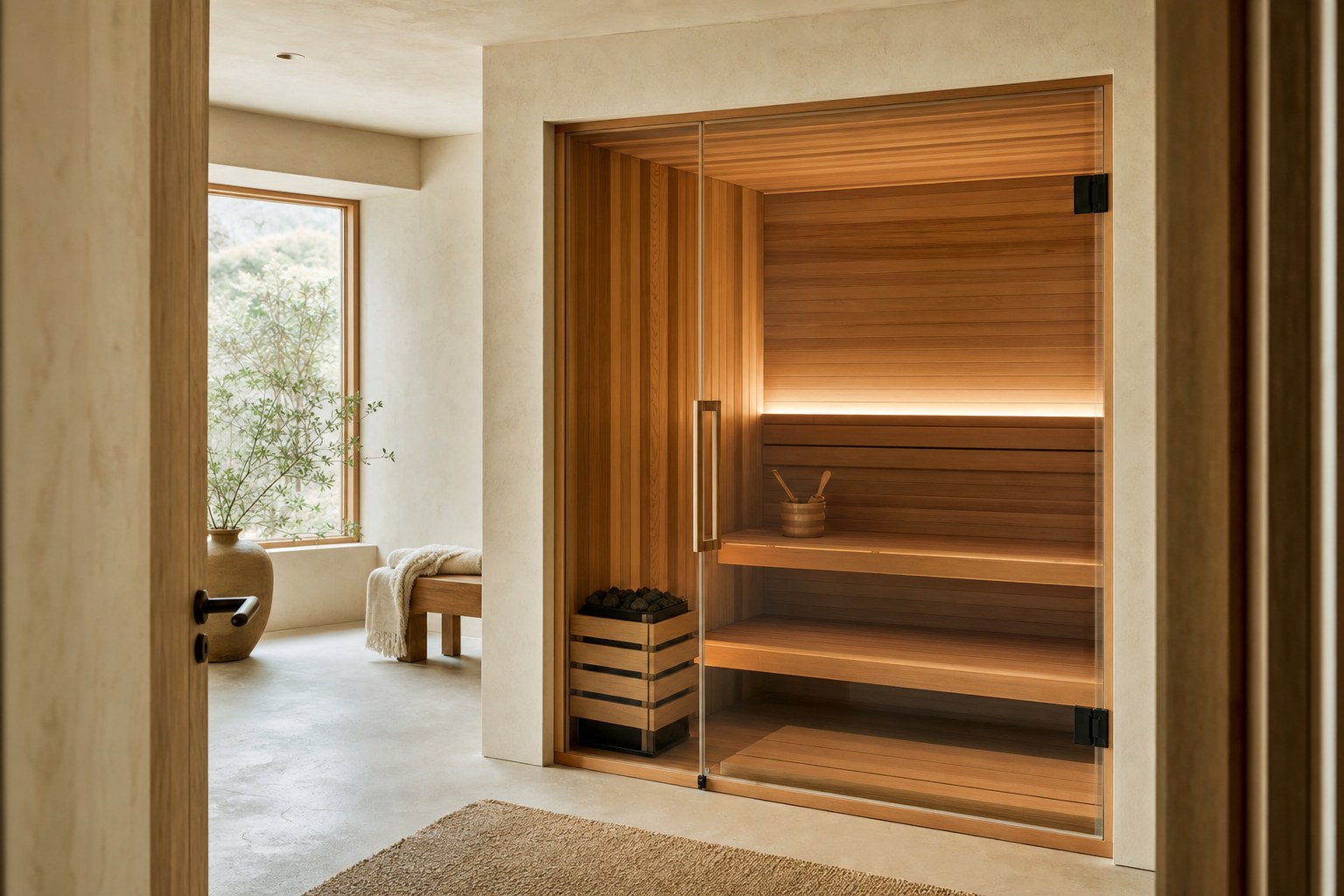
Home sauna
Home Sauna Buying Guide: Choose With Confidence
A practical way to choose the right home sauna, from heat style and room planning to power, delivery and long-term care.
Read the guide →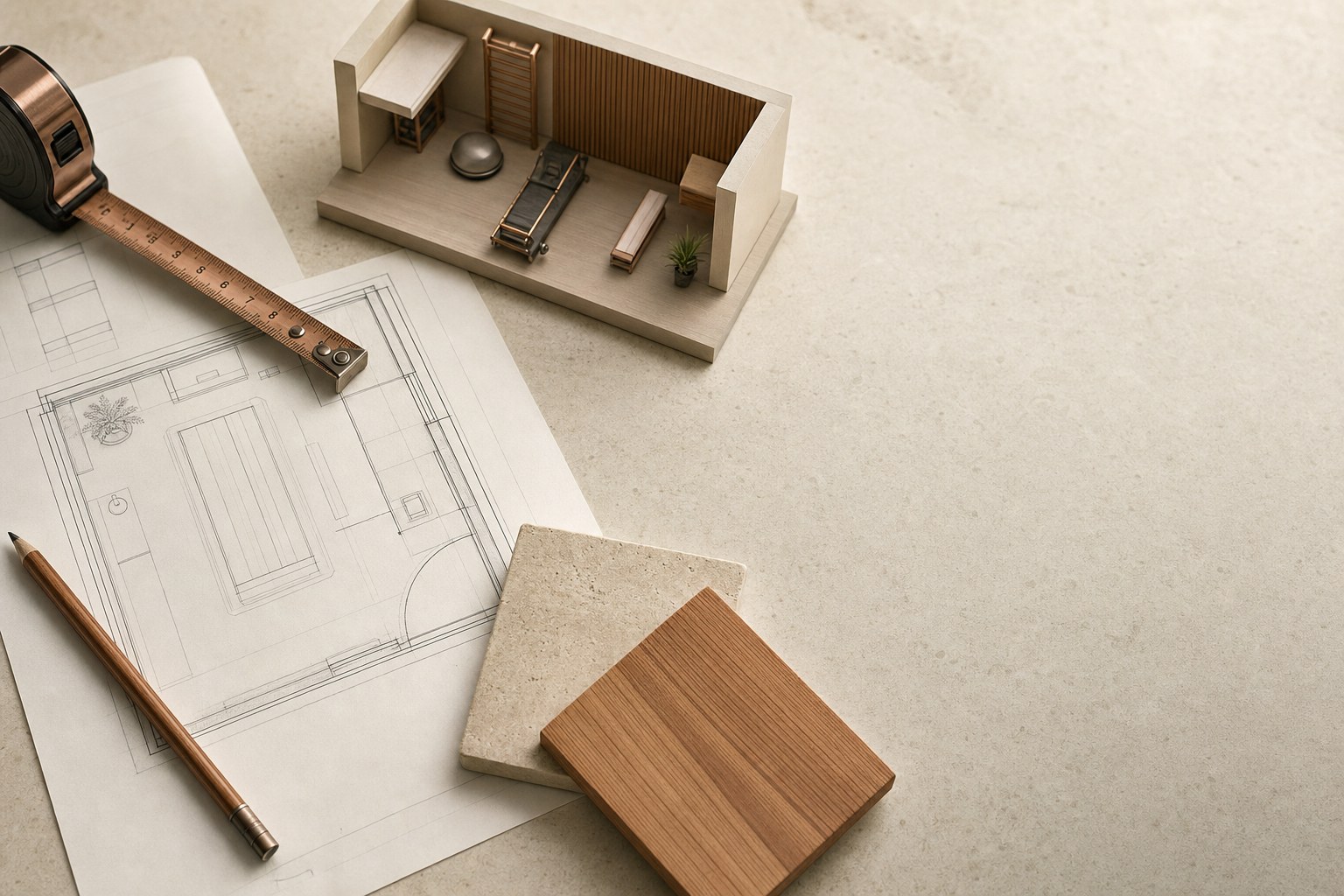
Home sauna
Home Sauna Dimensions: Plan the Room First
A practical guide to measuring a home sauna project, from interior comfort and door swing to delivery access and model-specific clearances.
Plan the room →